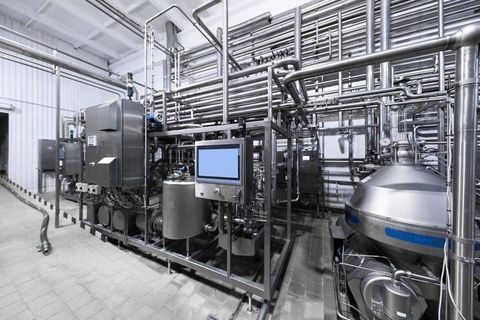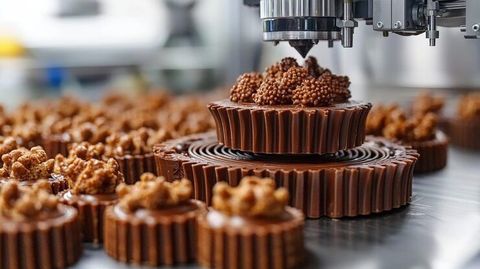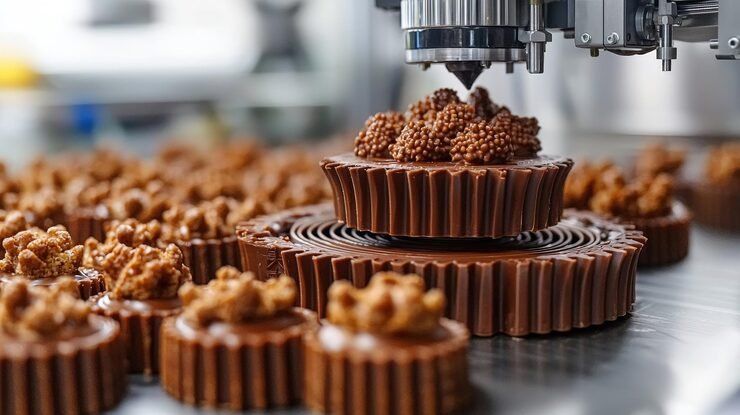
Industrial confectionery machinery consists of specialized equipment used to manufacture candies, gummies, toffees, caramels, chocolates, chewing products, and other confectionery products at commercial scale. These systems combine mixing, cooking, depositing, molding, cooling, coating, wrapping, and packaging technologies.
Modern confectionery production lines can range from individual processing machines to highly automated systems integrating multiple stages into one continuous operation.
What Is Industrial Confectionery Machinery?
Industrial confectionery machinery refers to the machines and production systems used to process ingredients and transform them into finished confectionery products.
A typical production line may include:
Ingredient weighing systems
Mixing equipment
Cooking systems
Vacuum cookers
Depositing machines
Forming and molding equipment
Cooling tunnels
Chocolate tempering systems
Enrobing machines
Wrapping machines
Packaging equipment
The equipment configuration depends on the confectionery product, recipe, production volume, shape, texture, and packaging format.
Major Confectionery Processing Technologies
Mixing Technology
Industrial mixers combine sugar, syrups, fats, cocoa ingredients, milk components, flavors, colors, and other formulation ingredients. Mixing conditions influence product consistency and uniformity.
Cooking Technology
Cookers heat confectionery mixtures under controlled temperature and time conditions. Vacuum cooking systems can be used for specific formulations where controlled moisture removal is required.
Depositing Technology
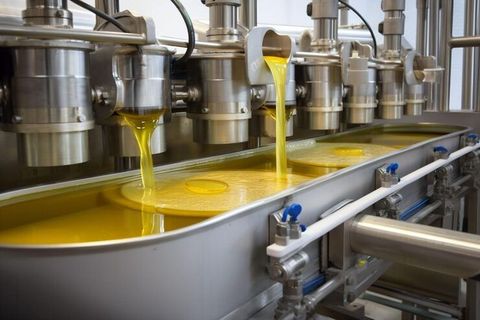
Depositors accurately portion liquid or semi-liquid confectionery mixtures into molds, trays, or forming systems. Servo-driven equipment can provide controlled dosing and repeatable product dimensions.
Molding Technology
Molding machines shape confectionery products into defined forms. Depending on the product, molds may be used for gummies, hard candies, fondants, chocolates, and other products.
Cooling Technology
Cooling tunnels reduce product temperature and help stabilize shape and texture before subsequent processing or packaging.
Chocolate Tempering
Tempering systems control chocolate heating and cooling cycles to promote appropriate crystallization of cocoa butter. This helps produce the desired appearance, texture, and stability.
Enrobing
Enrobing machines cover products with a controlled layer of chocolate or compound coating. Conveyor systems transport products through the coating and cooling stages.
Major Types of Industrial Confectionery Machines
| Machine Type | Primary Function | Typical Application |
|---|---|---|
| Industrial Mixer | Blends ingredients | Candy and chocolate |
| Vacuum Cooker | Controlled cooking and moisture removal | Caramel and candy |
| Candy Depositor | Portions confectionery mass | Gummies and hard candy |
| Molding Machine | Forms products | Candy and chocolate |
| Cooling Tunnel | Cools formed products | Multiple confectionery types |
| Chocolate Tempering Machine | Controls chocolate crystallization | Chocolate products |
| Enrober | Applies chocolate coating | Biscuits and confectionery |
| Rope Sizer | Forms and sizes candy ropes | Hard candy and toffee |
| Wrapping Machine | Individual product wrapping | Candy and chocolate |
| Packaging Machine | Secondary packaging | Cartons and bags |
Industrial Confectionery Production Process
The exact workflow varies according to the product, but many production systems include the following stages.
1. Ingredient Preparation
Ingredients are weighed, measured, stored, and transferred according to the formulation. Automated dosing systems can improve consistency.
2. Mixing
Ingredients are combined in industrial mixers. Mixing time, temperature, and mechanical conditions vary according to the product.
3. Cooking
The mixture is heated to achieve the required physical characteristics. Temperature and moisture control are particularly important for many candy products.
4. Forming or Depositing
The prepared confectionery mass is portioned, deposited, extruded, or molded into the desired product shape.
5. Cooling
Products pass through controlled cooling systems to stabilize their structure before coating or packaging.
6. Coating
Where required, products may receive chocolate, compound, sugar, glaze, or other coatings using specialized equipment.
7. Inspection
Vision systems, weight checks, metal detection, and other inspection technologies can be incorporated into automated production lines.
8. Wrapping and Packaging
Finished products are individually wrapped or transferred into bags, cartons, pouches, or other packaging formats.
Automation in Confectionery Machinery
Modern industrial confectionery machinery can incorporate automation throughout the production process.
Common technologies include:
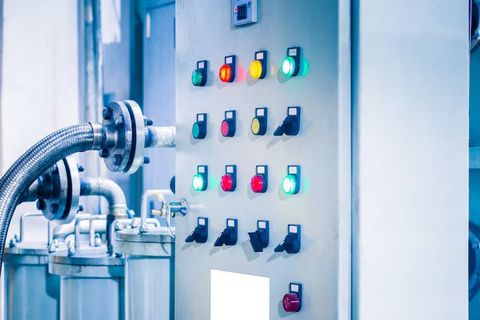
PLC-based controls
Servo motors
Automated ingredient dosing
Temperature sensors
Flow control
Machine vision
Automated product handling
Digital recipe management
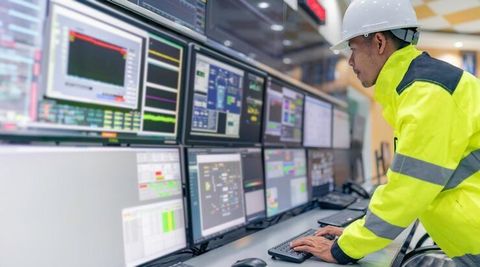
Production monitoring
Automated packaging
Automation can coordinate multiple machines and help maintain consistent production parameters.
Global Manufacturers and Suppliers
The global confectionery machinery industry includes manufacturers specializing in candy processing, chocolate production, depositing, molding, cooling, coating, wrapping, and packaging systems.
When evaluating manufacturers and suppliers, consider:
Product compatibility
Production capacity
Machine configuration
Temperature-control capabilities
Automation architecture
Sanitary design
Cleaning requirements
Packaging compatibility
Maintenance requirements
Spare-parts availability
The appropriate equipment configuration depends on product formulation, production volume, factory layout, and required automation level.
Industrial Applications
Hard Candy Production
Hard-candy production can involve cooking, vacuum processing, forming, depositing, cooling, wrapping, and packaging.
Gummy Manufacturing
Gummy production commonly uses cooking, depositing, molding, cooling, drying, coating, and packaging systems.
Chocolate Production
Chocolate production can incorporate mixing, refining, conching, tempering, molding, cooling, enrobing, and packaging equipment.
Caramel and Toffee
Caramel and toffee systems typically require controlled cooking, mixing, forming, cooling, cutting, and packaging.
Chewing Products
Specialized processing systems can combine mixing, kneading, extrusion, forming, wrapping, and packaging operations.
How to Select Industrial Confectionery Machinery
Selecting suitable machinery requires evaluating the complete production process.
Product formulation: Determine ingredient characteristics, moisture content, viscosity, temperature sensitivity, and required processing conditions.
Production capacity: Establish the required output per hour or production shift.
Product format: Shape, size, weight, coating, and texture requirements influence machine selection.
Automation: Consider manual, semi-automatic, or highly automated production.
Temperature control: Cooking, tempering, cooling, and storage conditions can significantly affect product quality.
Hygiene: Food-contact surfaces should be designed for appropriate cleaning and sanitation procedures.
Packaging: Select wrapping and packaging equipment based on the finished product and package format.
Maintenance: Consider access to wear components, cleaning procedures, spare parts, and routine maintenance requirements.
Frequently Asked Questions
What machines are used in confectionery production?
Common equipment includes mixers, cookers, vacuum cookers, depositors, molding machines, cooling tunnels, tempering machines, enrobers, wrapping machines, and packaging systems.
What is a confectionery depositing machine?
A depositor portions controlled quantities of confectionery material into molds, trays, or forming systems. It is commonly used for products requiring consistent shape and weight.
What equipment is used for industrial chocolate production?
Chocolate processing can involve mixers, refiners, conches, tempering machines, molding systems, cooling tunnels, enrobing machines, and packaging equipment.
Can confectionery machinery be automated?
Yes. Modern production lines can use PLC controls, servo systems, automated ingredient dosing, recipe management, machine vision, temperature monitoring, and automated packaging.
What factors affect confectionery machinery selection?
Product formulation, production capacity, product shape, processing temperatures, automation requirements, hygiene, packaging format, factory layout, and maintenance requirements all influence equipment selection.
Conclusion
Industrial confectionery machinery combines ingredient handling, mixing, cooking, depositing, molding, cooling, coating, wrapping, and packaging technologies. Individual machines can support specific production stages, while integrated lines can coordinate multiple operations for continuous confectionery manufacturing.
Understanding processing technologies, machine types, production stages, automation capabilities, and supplier considerations provides a foundation for selecting equipment suited to specific confectionery products and production requirements.